
- TriRoof Roofing Systems
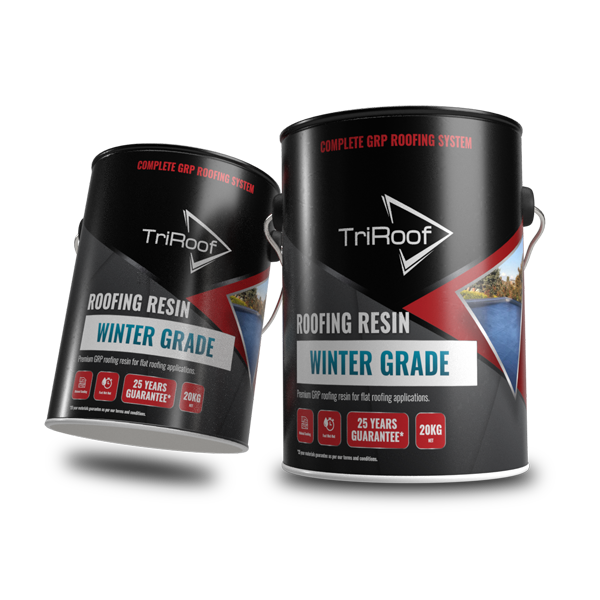
GRP Winter Grade Materials
TriRoof GRP Winter Grade Roof Materials are formulated to allow you to install the TriRoof GRP Roofing System at any time of the year.
Key Features
✓ TriRoof Winter Resin and Topcoat is suitable for use in temperatures between 0 and 12 degrees Celsius
✓ Cures quickly
✓ Premium quality
✓ Minimal sanding time
✓ No down time during colder months
✓ Can be used throughout the four seasons of the year
✓ Readily available from your local stockist from November until mid-March

Fibreglass vs EPDM for Flat Roofs
When selecting a flat roofing system, understanding the differences between fibreglass (GRP) and EPDM rubber is crucial. This guide compares their durability, installation processes, maintenance requirements, and overall performance to help you make an informed decision. Whether you’re a homeowner
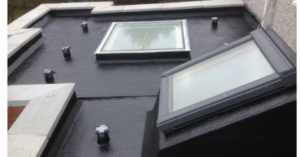
Flat Roof Systems Compared
Explore the key differences between popular flat roofing options including Concrete, Asphalt, Felt, EPDM, and Fibreglass/GRP. Learn about the materials, application methods, and benefits of each system to help you choose the best solution for your project.
Looking for a
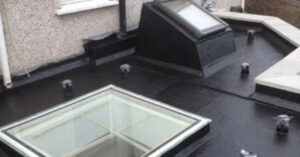
Installing a Fibreglass Roof
GRP, or Glass Reinforced Plastic, is a strong, lightweight material known for its durability and resistance to corrosion—ideal for roofing systems. This guide explores the benefits of GRP, its common uses, and how to correctly install a long-lasting fibreglass roof
From History to High Performance: How ECMS and Tricel Revived a WWII-Era Commercial Flat Roof at IWM Duxford
Tricel and ECMS restored a WWII-era commercial flat roof at IWM Duxford using TriRoof HPX System, delivered ahead of schedule with a 20-year guarantee.
- Learn more
Applying Flat Roofs in Winter: Tips for a Successful Installation
Installing flat roofs in winter can be a challenging task due to the cold temperatures, potential snow, and icy conditions. However, with the right materials and techniques, it’s entirely possible to achieve a successful installation, ensuring your flat roof provides long-lasting protection through the winter months and beyond.
Challenges of Installing Flat Roofs in Winter
Flat roofs in winter are especially susceptible to weather conditions. These roofs tend to collect snow, rain, and water, which can freeze and cause damage if not properly managed. The cold temperatures and moisture also pose challenges during installation, particularly for materials that require specific conditions for curing or bonding.
Here are some key challenges when installing flat roofs in winter:
1. Cold-Temperature Effects on Materials
Many roofing materials, including adhesives, coatings, and sealants, may not perform optimally in cold temperatures. During the installation of flat roofs in winter, these materials may take longer to cure or may not bond properly, leading to weaker installations and potential future damage.
2. Snow and Ice Accumulation
Flat roofs in winter are more prone to snow and ice accumulation compared to pitched roofs, which can lead to water pooling. When this water freezes, it can cause leaks, structural damage, and long-term issues. Proper drainage solutions are crucial to avoid these risks.
3. Safety Concerns
Flat roof installations in winter can also present safety challenges. Icy and wet conditions make the work environment slippery, increasing the risk of accidents. Ensuring safety protocols are followed during the installation process is essential to protect workers from slipping and falling.
Tips for Successful Flat Roof Installation in Winter
Despite these challenges, following the right approach and using appropriate materials can ensure a successful flat roof installation in winter. Let’s explore the key tips for achieving a durable and weather-resistant flat roof during colder months.