Fibreglass Roofing Explained: A Complete Guide to GRP Roofing in Ireland

GRP Fibreglass Roofing

Fibreglass roofing, also known as GRP roofing, is one of the most durable and cost‑effective flat roofing solutions available in Ireland today. Whether you’re a contractor, builder or DIY installer, understanding GRP roofing systems and choosing the right fibreglass roofing supplies is essential for long‑term performance.

In this guide, we explain what GRP is, why it’s ideal for flat roofs, and how to correctly install a fibreglass roof using professional fibreglass roofing kits.

What is GRP/fIBREGLASS?

Glass Reinforced Plastic (GRP) — commonly referred to as fibreglass — is a strong, lightweight material made by combining thermosetting resins with glass fibres. Once bonded, these materials form a highly durable, waterproof composite that performs exceptionally well in roofing applications.

GRP is:

  • Lightweight yet extremely strong
  • Resistant to corrosion, rot and temperature changes
  • Easy to mould for complex shapes
  • More cost‑effective than many traditional roofing materials

These properties make fibreglass roofing ideal for both residential and commercial flat roofs.

A Brief History of GRP Roofing

GRP has been used in the UK and Ireland since the 1940s, originally within the marine industry for boat building. As its durability, versatility and clean finish became more widely recognised, GRP was adopted across multiple sectors, including:

  • Construction
  • Automotive manufacturing
  • Water tank production
  • Flat roofing systems

Today, GRP roofing systems are one of the most popular flat roofing solutions across Ireland due to their long lifespan and minimal maintenance requirements.

Why Choose GRP Roofing?

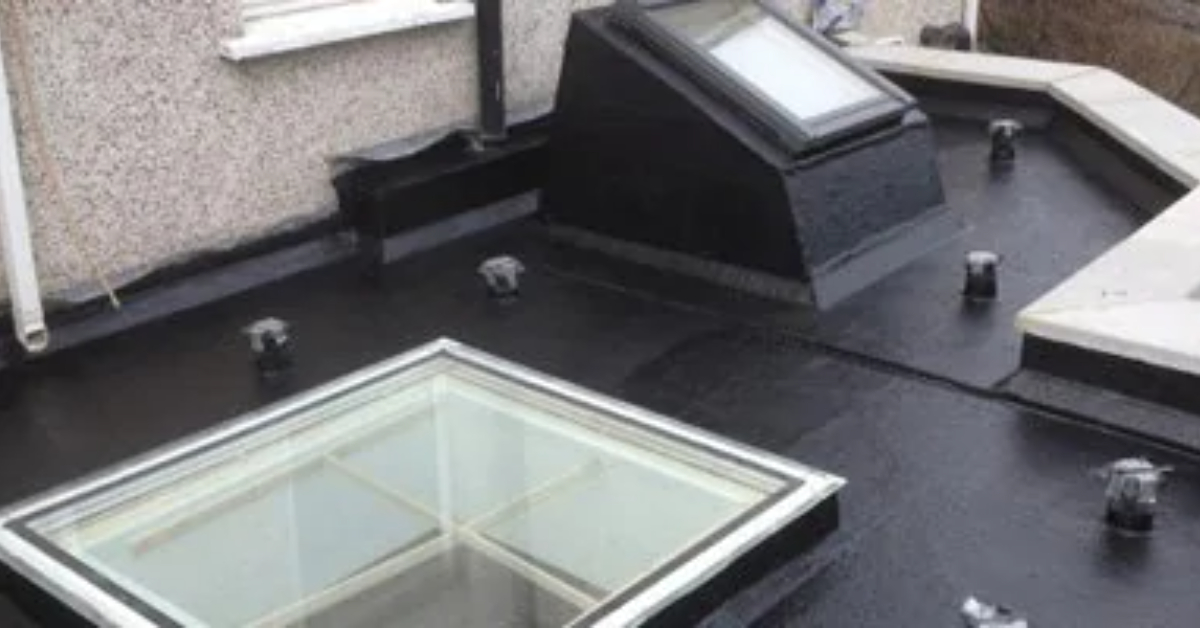
A GRP roofing system is a seamless, single‑ply membrane applied directly to OSB3 decking boards. When installed correctly using high‑quality fibreglass roofing supplies, a GRP roof can last 20+ years.


Key Benefits of Fibreglass Roofing

  • Fully waterproof and seamless
  • Will not crack, blister or delaminate
  • UV and weather resistant
  • Requires very little maintenance
  • Suitable for domestic and commercial buildings

Once cured, fibreglass is inert — meaning it won’t rot or corrode, even in harsh Irish weather conditions.

GRP Roofing Materials & Fibreglass Roofing Kits

A standard GRP roofing installation requires:

  • Polyester Resin
  • Fibreglass Chopped Strand Matting
  • Topcoat (available in various colours)
  • GRP Edge Trims
  • Catalyst
  • OSB3 Decking Boards

Using complete fibreglass roofing kits ensures compatibility between materials and helps achieve a professional, long‑lasting finish. For best results, always source your fibreglass supplies in Ireland from reputable suppliers who offer technical support.

Tips for Laying a Fibreglass Roof

Before starting your GRP roofing installation, keep the following in mind:

  • Install only in dry, mild weather
  • Do not install below 5°C — resin and topcoat will not cure properly
  • Avoid topcoating after 2pm in winter unless conditions are bright and mild
  • OSB boards should not exceed 30°C to prevent topcoat curing issues
  • If rain starts, stop immediately and fully cover the roof

Correct conditions are essential for a successful fibreglass roofing installation.

Preparing and Laying the Roof Deck

Proper deck preparation is critical to the performance of any GRP roofing system.

  • Inspect existing joists and boards for rot
  • Use 18mm OSB3 decking boards, laid at 90° to the joists
  • Install boards with the printed side facing up for better adhesion
  • Leave a 25mm expansion gap where boards meet walls
  • Fix boards using 63mm galvanised nails at 200mm centres

Staggered joints help create a strong, bonded deck once laminated.

Applying GRP Edge Trims

GRP edge trims provide a neat, watertight finish and are an essential part of any fibreglass roofing system.

  • Most trims are fixed using 13mm galvanised nails or staples
  • F300 Flat Flashing and D260 Fillet Trims should be bonded using PU adhesive
  • Ensure the matt side of the trim faces the decking for maximum adhesion

Preparing for Fibreglass Lamination

Before applying resin:

  • Pre‑cut all fibreglass matting
  • Use glass bandage on all board joints
  • Lay chopped strand matting parallel to the drip trim
  • Overlap trims by 50mm without wrapping over the edge

Trim any uneven edges before laminating.

Laminating the GRP Roof

  • Shake resin thoroughly before use
  • Mix resin in 2kg batches with 2% catalyst
  • Working time is approximately 20 minutes at room temperature

Apply resin to joints and corners first, followed by the main roof area. Use a paddle roller to remove air pockets — the fibreglass should appear transparent once fully saturated.

Applying the Topcoat

Topcoating is the final stage of the fibreglass roofing process.

  • Sand corners and bandages with 40‑grit paper
  • Remove any excess cured matting
  • Apply simulated lead trims if required
  • Mix topcoat with 2% catalyst and apply evenly

For best results, topcoat within 24 hours of lamination.

Fibreglass Roofing Supplies in Ireland

Choosing high‑quality fibreglass roofing supplies in Ireland is just as important as correct installation. Reliable materials, complete GRP roofing kits and technical support ensure your roof performs for decades.

Need help or technical Advice?

Our experienced technical team is on hand to help with product selection, installation guidance and troubleshooting.

Video Guide: Installing a GRP Roof

TRIROOF ARTICLES

GRP Flat Roof
Construction & Building Solutions
Fibreglass vs EPDM for Flat Roofs

When selecting a flat roofing system, understanding the differences between fibreglass (GRP) and EPDM rubber is crucial. This guide compares their durability, installation processes, maintenance requirements, and overall performance to help you make an informed decision. Whether you’re a homeowner
Read More »
GRP Flat Roof
Construction & Building Solutions
Flat Roof Systems Compared

Explore the key differences between popular flat roofing options including Concrete, Asphalt, Felt, EPDM, and Fibreglass/GRP. Learn about the materials, application methods, and benefits of each system to help you choose the best solution for your project.

Looking for a

Read More »
GRP Fibreglass Roofing
Construction & Building Solutions
Installing a Fibreglass Roof

GRP, or Glass Reinforced Plastic, is a strong, lightweight material known for its durability and resistance to corrosion—ideal for roofing systems. This guide explores the benefits of GRP, its common uses, and how to correctly install a long-lasting fibreglass roof

Read More »