GRP vs EPDM Roofing: Which Flat Roof System Is Best in 2025?

GRP Flat Roof

When choosing a flat roofing system, the debate often comes down to GRP (fibreglass) vs EPDM roofing. Both are widely used in the UK and offer durable, waterproof solutions—but which is better for your project?

In this guide, we compare fibreglass roofing vs EPDM rubber roofing across performance, cost, lifespan, and installation—so you can make an informed decision.

What Is GRP (Fibreglass) Roofing?

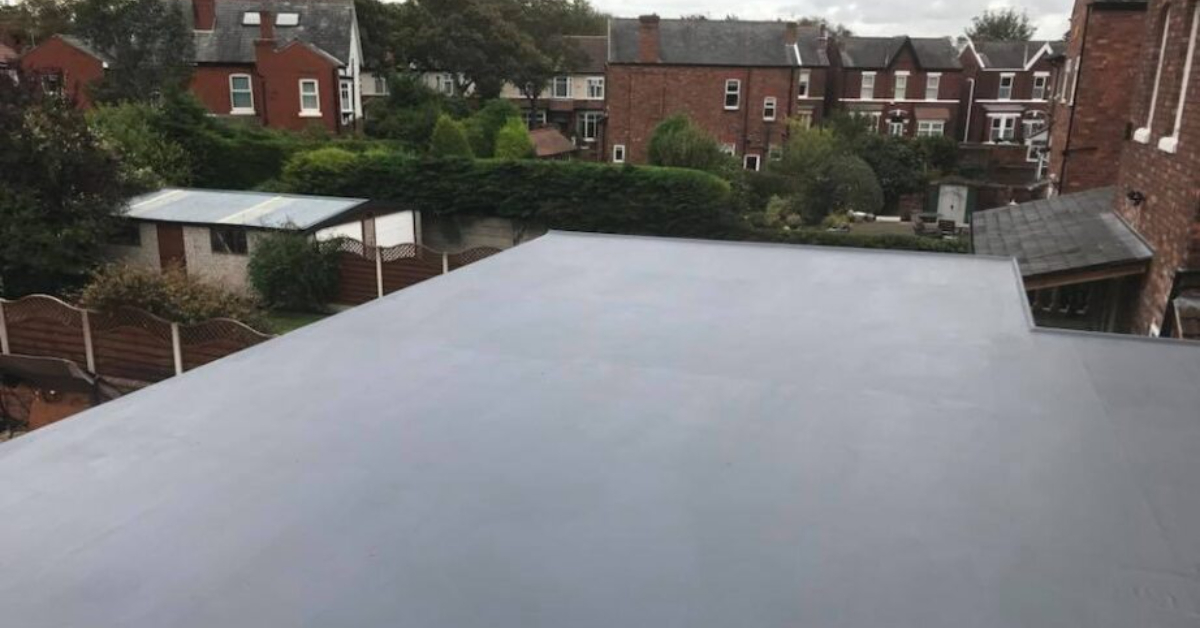
GRP roofing (Glass Reinforced Polyester) is a seamless flat roofing system made from polyester resin and glass fibre reinforcement. Once installed, it creates a strong, rigid, and completely waterproof surface.

GRP is typically applied over OSB3 decking, then finished with a protective topcoat (gel coat) for durability and UV resistance.

According to UK standards (BS 6229 & BS 8217), flat roofs should have a minimum fall of 1:40 to ensure proper drainage—making correct installation critical.

Key Benefits of GRP Roofing

  • Seamless, joint-free waterproofing
  • Exceptional durability and lifespan
  • High resistance to foot traffic and impact
  • Suitable for domestic and commercial roofs
  • Can often be installed over existing roofs

What Is EPDM Rubber Roofing?

EPDM (Ethylene Propylene Diene Monomer) is a synthetic rubber membrane used in single-ply roofing systems. It is supplied in large sheets and adhered to the roof deck using specialised adhesives.

EPDM is known for its flexibility, fast installation, and affordability.

Key Benefits of EPDM Roofing

  • Quick and easy installation
  • Flexible and accommodates structural movement
  • Cost-effective upfront
  • Suitable for simple flat roof layouts

GRP vs EPDM Roofing: Key Differences

Installation

  • GRP: Requires skilled application but creates a fully bonded, seamless finish
  • EPDM: Faster to install but involves seams and adhesive joins

Winner: Depends on installer experience

Waterproofing & Weather Resistance

  • GRP: Completely seamless—no joints to fail
  • EPDM: Waterproof, but relies on seams and bonding

Winner: GRP

Strength & Durability

  • GRP: Rigid, impact-resistant, highly durable
  • EPDM: Flexible but more vulnerable to punctures

Winner: GRP

Foot Traffic

  • GRP: Ideal for balconies, walkways, and terraces
  • EPDM: Limited traffic only—risk of damage

Winner: GRP

Puncture Resistance

  • GRP: Strong and can be reinforced
  • EPDM: Susceptible to sharp objects and debris

Winner: GRP

Lifespan

  • GRP: Long-lasting with excellent structural integrity
  • EPDM: Durable, but performance depends on installation quality

Winner: GRP

Repairs

  • GRP: Localised repairs are quick and straightforward
  • EPDM: Leaks can travel beneath the membrane

Winner: GRP

Tensile Strength

  • GRP: Up to ~78.8 MPa
  • EPDM: ~17.5 MPa

Winner: GRP

Cost

  • GRP: Higher upfront investment
  • EPDM: Lower initial cost

Winner: EPDM (short-term), GRP (long-term value)

GRP vs EPDM Roofing: Which Should You Choose?

Choose GRP Roofing if you want:

  • A long-lasting, high-performance roof
  • A seamless waterproof finish
  • A system that can handle regular foot traffic
  • Better long-term value and durability


Choose EPDM Roofing if you want:

  • A budget-friendly solution
  • Fast installation
  • A system for simple roof designs


Alternative Flat Roofing Systems

While GRP and EPDM dominate modern flat roofing, other options include:

  • Felt roofing
  • Modified bitumen
  • Asphalt systems
  • Liquid polyurethane coatings

However, GRP and EPDM remain the most popular choices in the UK due to their performance, longevity, and cost-effectiveness.

Frequently Asked Questions

What is the difference between GRP and EPDM roofing?

GRP is a rigid, seamless fibreglass system, while EPDM is a flexible rubber membrane installed in sheets.

Which lasts longer: GRP or EPDM?

GRP generally lasts longer due to its strong, bonded laminate structure.

Is GRP better than EPDM for flat roofs?

For durability, strength, and lifespan, GRP is often the superior option.

Is EPDM cheaper than GRP roofing?

Yes, EPDM has lower upfront costs, but GRP often delivers better long-term value.

Can you walk on EPDM roofing?

Limited foot traffic is possible, but it is more prone to punctures than GRP.

Final Thoughts: GRP vs EPDM Roofing

Choosing between GRP vs EPDM roofing depends on your priorities.

  • GRP excels in durability, strength, and lifespan
  • EPDM is ideal for cost-sensitive, simple projects

If you’re planning a flat roof and want maximum longevity with minimal maintenance, GRP is often the better investment.

Feature
GRP Fibreglass Roofing
EPDM Rubber Roofing
Expected Lifespan
25-40+ years
15-25 years
Construction
Seamless laminate
Single-ply sheeted membrane
Foot Traffic
Suitabe
Not recommended
Puncture Resistance
Very high
Moderate to low
Leak Detection
Localised and visible
Difficult to detect
Repairability
Simple and permanent
More complex
Upfront Cost
Higher
Lower
Lifetime Cost
Lower Overall
Higher Over Time

Start Your Roofing Project Today

Still unsure which system is right for you?

Contact our team today for expert advice, product recommendations, and competitive pricing on GRP and EPDM roofing systems.

TRIROOF ARTICLES

GRP Flat Roof
Construction & Building Solutions
Fibreglass vs EPDM for Flat Roofs

When selecting a flat roofing system, understanding the differences between fibreglass (GRP) and EPDM rubber is crucial. This guide compares their durability, installation processes, maintenance requirements, and overall performance to help you make an informed decision. Whether you’re a homeowner
Read More »
GRP Flat Roof
Construction & Building Solutions
Flat Roof Systems Compared

Explore the key differences between popular flat roofing options including Concrete, Asphalt, Felt, EPDM, and Fibreglass/GRP. Learn about the materials, application methods, and benefits of each system to help you choose the best solution for your project.

Looking for a

Read More »
GRP Fibreglass Roofing
Construction & Building Solutions
Installing a Fibreglass Roof

GRP, or Glass Reinforced Plastic, is a strong, lightweight material known for its durability and resistance to corrosion—ideal for roofing systems. This guide explores the benefits of GRP, its common uses, and how to correctly install a long-lasting fibreglass roof

Read More »