

Acetone vs Non‑Hazardous Solvents: What Composite Manufacturers Need to Know

Benefits of Acetone

Solvent cleaning is a critical part of composite manufacturing — but the choice of solvent can have a major impact on safety, compliance, and operational efficiency. While acetone has long been the industry standard, non‑hazardous alternatives are now challenging its position.

Understanding the difference between traditional solvents and modern non‑hazardous cleaners is key to making informed decisions for today’s workshops.

The Traditional Role of Acetone

Acetone became popular due to its ability to dissolve uncured resin quickly. However, this effectiveness comes with significant drawbacks:

  • Extremely flammable
  • Produces harsh fumes
  • Rapid evaporation increases consumption
  • Requires strict storage and handling controls

As regulations tighten and safety expectations rise, these drawbacks are harder to justify.

The Rise of Non‑Hazardous Solvents

Non‑hazardous solvents like TriKlean have been developed specifically to address the limitations of acetone. Rather than simply copying acetone’s chemistry, they take a different approach — focusing on efficiency, safety, and sustainability.

Key Differences That Matter

Fire Risk

Acetone’s flammability creates a constant safety concern. Non‑hazardous solvents are non‑flammable, removing this risk entirely and creating a safer working environment.

Health & Operator Welfare

Regular exposure to acetone fumes can cause irritation and discomfort. Modern alternatives are significantly safer to handle, with a much lower impact on respiratory and skin health.

Consumption & Cost

Acetone evaporates almost instantly, leading to high usage volumes. Non‑hazardous solvents work longer on the surface, meaning less product is needed for the same cleaning task.

Environmental Responsibility

Sustainability is increasingly important across manufacturing industries. Biodegradable, low‑toxicity solvents help companies reduce environmental impact without compromising performance.

Why the Switch Makes Sense Now

Many composite manufacturers are choosing to move away from acetone not because they are forced to — but because it simply no longer makes commercial or operational sense.

Safer solvents reduce risk, improve working conditions, and support modern manufacturing standards — all while delivering equal or superior cleaning performance.

Final Thoughts

The shift from acetone to non‑hazardous solvents represents a natural evolution in composite manufacturing. With solutions like TriKlean now widely available, there has never been a better time to rethink traditional solvent use.

Read More...

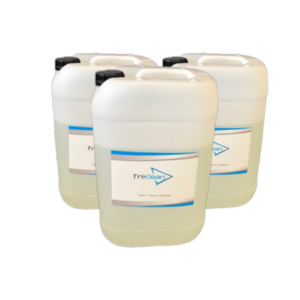
Drums of TriKlean Acetone Replacement Solution
Tools & Ancillaries

How Switching to TriKlean can Cut Solvent Costs in Your Workshop

When evaluating solvent costs, the true expense goes far beyond price per drum. Acetone’s rapid evaporation and high usage rates can significantly increase overall spend. This article explains how switching to TriKlean helps composite manufacturers reduce solvent consumption, minimise waste,

Read More »