
Flat Roof to Pitched Roof Junction Detail: Best Practice for a Watertight, Insulated Build

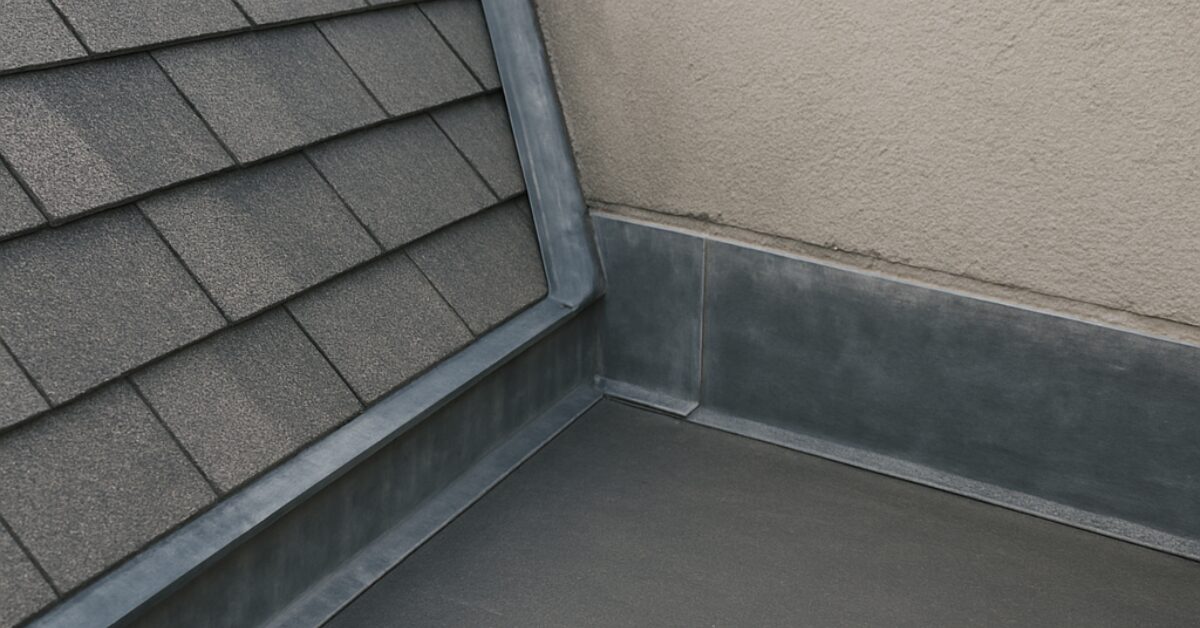
junction between a flat roof and a pitched roof

One of the most technically demanding areas in any building envelope is the junction between a flat roof and a pitched roof. If this transition isn’t detailed correctly, it can quickly become a source of leaks, heat loss, and condensation — particularly in the UK’s unpredictable climate.

The good news? With the right materials, correct detailing, and a GRP roofing system designed for complex transitions, flat‑to‑pitched roof junctions can be durable, fully watertight, and compliant with UK Building Regulations.

At Tricel Composites, we supply high‑performance GRP roofing systems that simplify these junctions and deliver long‑term performance.

Flat-to-Pitched Roof Junction - In Brief

  • This junction is one of the highest‑risk areas in roof design
  • Common failures include leaks, cold bridging, and condensation
  • Continuous insulation and vapour control are critical
  • GRP roofing provides a fully bonded, seamless waterproof layer
  • Correct detailing dramatically extends roof lifespan

Why Is the Flat-to-Pitched Roof Junction So Important?

The transition between a flat roof and a pitched roof represents a break in geometry, materials, and load paths. Without careful detailing, this area is vulnerable to:

  • Water ingress due to poor flashing or upstands
  • Thermal bridging where insulation continuity is lost
  • Interstitial condensation caused by air or vapour leakage
  • Structural movement leading to cracks or joint failure over time

This applies whether the structure is timber frame, steel frame, or masonry. The junction must handle both thermal performance and structural compatibility.

Key Considerations for a Successful Junction Detail

Continuous Insulation (Prevent Cold Bridging)

Maintaining insulation continuity between the flat and pitched roof is essential.

  • Flat roof insulation should overlap or connect with pitched roof insulation
  • Warm roof systems (e.g. PIR boards above the deck) are ideal
  • Tapered insulation helps maintain falls without compromising thermal performance

Proper continuity reduces heat loss and condensation risk.

Vapour Control Layer (VCL)

continuous Vapour Control Layer prevents warm, moist internal air from entering the roof build-up and condensing.

Best practice includes:

  • Wrapping the VCL around steel beams or junction timbers
  • Sealing overlaps and penetrations
  • Ensuring continuity across both roof types

A broken VCL is one of the most common causes of roof failure.

Drainage and Roof Falls

Flat roofs must shed water efficiently, particularly near junctions.

  • Recommended fall: 1:40 (minimum)
  • Drainage should direct water away from the pitched roof interface
  • Tapered insulation systems allow accurate falls without complex carpentry
Standing water at junctions is a major long‑term risk.

Flashing and Waterproofing

The waterproofing layer at the junction is critical.

  • Flashings must interface cleanly with tiles, slates, or metal coverings
  • Materials must be compatible with GRP systems
  • Tricel GRP trims and topcoats create a fully bonded, seamless finish

GRP eliminates weak points common with mechanical flashings.

Structural Compatibility

Structural alignment ensures durability and ease of installation.

  • Flat roof joists often bear onto wall plates or steel beams
  • Pitched roof rafters must align without creating insulation gaps
  • Movement joints may be required in larger spans

Good structural integration reduces long‑term stress at the junction.

Why Use GRP for Flat‑to‑Pitched Roof Transitions?

GRP (Glass Reinforced Plastic) roofing is particularly well‑suited to complex junctions.

Tricel Composites GRP Roofing Systems Include:

  • High‑performance resins and UV‑stable topcoats
  • Pre‑formed GRP trims for upstands and transitions
  • Tapered insulation solutions
  • Technical support for detailing and installation

Whether for a new build, extension, or refurbishment, Tricel GRP systems are designed to meet UK Building Regulations and deliver consistent, long‑term performance.

Final Thoughts

Getting the flat roof to pitched roof junction detail right is essential for the integrity, thermal efficiency, and lifespan of a building.

By combining:

  • Continuous insulation
  • Proper vapour control
  • Reliable drainage
  • Fully bonded GRP waterproofing

you can achieve a seamless, watertight, and regulation‑compliant transition — without unnecessary complexity.

Need Help With Your Roof Design

If you’re detailing a flat‑to‑pitched roof junction and want confidence in the materials and build‑up:

Frequently Asked Questions

Why is the flat‑to‑pitched roof junction a high‑risk area?

This junction is prone to problems such as water ingress, thermal bridging, condensation, and structural movement. Without proper detailing, these issues can lead to leaks, heat loss, and long‑term damage.

How do you prevent cold bridging at this junction?

Cold bridging is prevented by ensuring continuous insulation between the flat and pitched roof. Warm roof systems, such as PIR boards above the deck, help maintain uninterrupted insulation layers.

What role does a Vapour Control Layer (VCL) play?

A VCL stops warm, moist indoor air from entering the roof structure and condensing. It must be continuous and wrapped around structural elements like steel beams to ensure full protection.

How do you ensure proper drainage on the flat roof?

A fall of around 1:40 is typically recommended to guide water away from the junction. Tapered insulation can be used to create the correct slope during installation.

What flashing and waterproofing materials work best?

Flashing must be compatible with both roofing systems. GRP trims and topcoats from Tricel Composites provide a seamless, durable, and watertight interface between flat GRP roofs and pitched coverings such as tiles or slates.

Can GRP roofing be used for complex roof transitions?

Yes — GRP roofing is ideal for flat‑to‑pitched transitions because it offers a fully bonded, seamless finish. Tricel Composites’ kits include trims, resins, and technical guidance to simplify detailing and ensure long‑term performance.

Read More...