

How to Choose the Right Grade of Coosa Board for Your Project

Coosa Composites

Choosing Coosa® Board is an important step towards long‑term durability — but selecting the right grade is just as critical. Different grades of Coosa® Board are engineered for different loads, environments, and performance requirements, and over‑ or under‑specifying can affect both cost and structural performance.

This guide explains how to choose the correct grade of Coosa® Board for your project, covering key factors such as application type, load requirements, weight considerations, and laminate design.

Why Grade Selection Matters

Coosa® Board is not a one‑size‑fits‑all product. Each grade differs in:

  • Density
  • Strength and stiffness
  • Weight
  • Intended application


Selecting the correct grade ensures:

  • Optimal structural performance
  • Efficient use of materials
  • Predictable long‑term behaviour
  • Better value over the lifecycle of the project

Start with the Application

The most important factor in grade selection is where and how the board will be used.

Ask:

  • Is the component structural or non‑structural?
  • Will it be exposed to constant moisture?
  • Is it subject to point loads or fastener loads?
  • Is weight reduction a priority?

Lightweight vs Structural Grades

Lightweight Grades

Best suited for applications where:

  • Weight savings are critical
  • Loads are relatively low
  • The board will be fully supported by laminate skins

Common uses include:

  • Deck cores
  • Interior panels
  • Non‑critical marine components

These grades require appropriate laminate schedules to achieve stiffness.

Structural Grades

Designed for higher load‑bearing requirements, including:

  • Transoms
  • Stringers
  • Bulkheads
  • Structural sandwich panels

These grades offer:

  • Higher compressive and flexural strength
  • Improved fastener retention when laminated
  • Greater resistance to deformation

They are typically specified where safety and longevity are paramount.

Consider Load and Fastener Requirements

If your application involves:

  • Engine mounts
  • Deck hardware
  • Seating or heavy fixtures


The grade must be capable of:

  • Handling compressive loads
  • Distributing point loads
  • Working alongside reinforcement inserts or added laminates

Under‑specifying here can lead to deflection or long‑term performance issues.

Weight vs Strength Trade‑Offs

One of the reasons Coosa® Board is widely used is its excellent strength‑to‑weight ratio. However:

  • Lighter grades reduce overall weight
  • Denser grades increase stiffness and load capacity

The goal is not to choose the strongest possible grade by default, but the most appropriate grade for the application.

Think in Terms of a Composite System

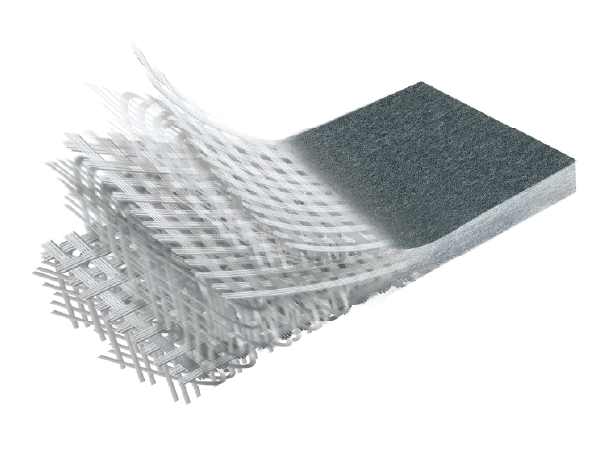
Coosa® Board is designed to be used as part of a composite sandwich structure, not as a standalone structural element.

Grade selection should be considered alongside:

  • Fibreglass reinforcement type
  • Laminate thickness
  • Resin system
  • Panel size and span

In many cases, adjusting laminate design allows a lighter grade to be used effectively.

Common Mistakes to Avoid

  • Choosing the highest‑density grade “to be safe”
  • Treating Coosa® Board like plywood
  • Ignoring laminate contribution
  • Selecting based on price alone

Correct specification often reduces material use and improves performance.

When You Should Seek Specialist Advice

If your project involves:

  • Structural marine components
  • Commercial or regulatory requirements
  • Unusual loads or spans
  • Retrofitting or repairs

Then technical guidance can save both time and cost.

Speak to a Coosa® Board Specialist

Choosing the correct grade doesn’t need to be complicated — but it does benefit from experience.

Speak to a Tricel Composites specialist
Get advice on the right Coosa® Board grade for your application

Our team can help you balance performance, weight, and cost to ensure the best outcome for your project — with confidence in long‑term durability.

Read More...