
What Makes a Good Core Material for Marine and Structural Applications?

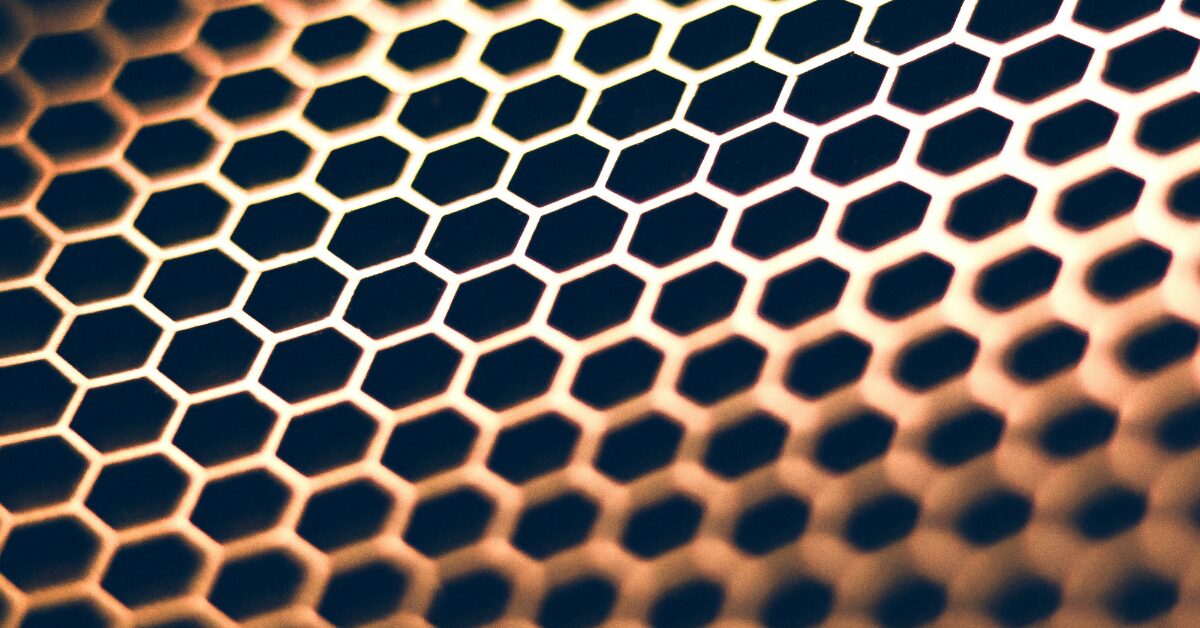
Honeycomb Core Materials

Choosing a core material isn’t about tradition — it’s about performance over time.

In marine and structural environments, the right core material must handle load, moisture, movement, and fatigue without degrading.

Moisture Resistance

A suitable core material should:

  • Resist water absorption
  • Maintain strength when wet
  • Avoid rot or biological decay

This is critical in marine and external environments

Strength‑to‑Weight Ratio

Good core materials provide:

  • Structural support
  • Stiffness when laminated
  • Minimal added weight

Weight savings improve efficiency, handling, and performance.

Compatibility with Composite Systems

The core must bond effectively with:

  • Fibreglass reinforcements
  • Resin systems
  • Adhesives and coatings

Poor compatibility leads to delamination and early failure.

Dimensional Stability

Thermal movement and swelling can cause:

  • Surface cracking
  • Bond failure
  • Stress concentration

Stable materials reduce long‑term structural issues.

Longevity and Lifecycle Cost

A good core material should:

  • Perform consistently over decades
  • Reduce maintenance requirements
  • Offer predictable service life

Initial cost is only one part of the equation.

Bringing It All Together

Modern composite core materials are engineered specifically to meet these criteria — particularly in wet, high‑load environments where timber struggles.

Want help comparing materials?

Our expert team will help you understand how different options perform side by side, and help you select the best solution for your project. 

Read More...