
Kevlar Cloth in Composite Manufacturing: Strength Where it Matters Most

What to choose: Kevlar or Carbon Fibre JPG

Kevlar cloth is a high‑performance aramid fibre reinforcement widely used in composite manufacturing where impact resistance, toughness and durability are critical. Known for its exceptional strength‑to‑weight ratio and resistance to abrasion, Kevlar has become a key material across marine, automotive, defense, industrial and protective applications. At Tricel Composites, Kevlar cloth forms part of a broader advanced reinforcement range designed to meet demanding composite performance requirements.

What is Kevlar Cloth?

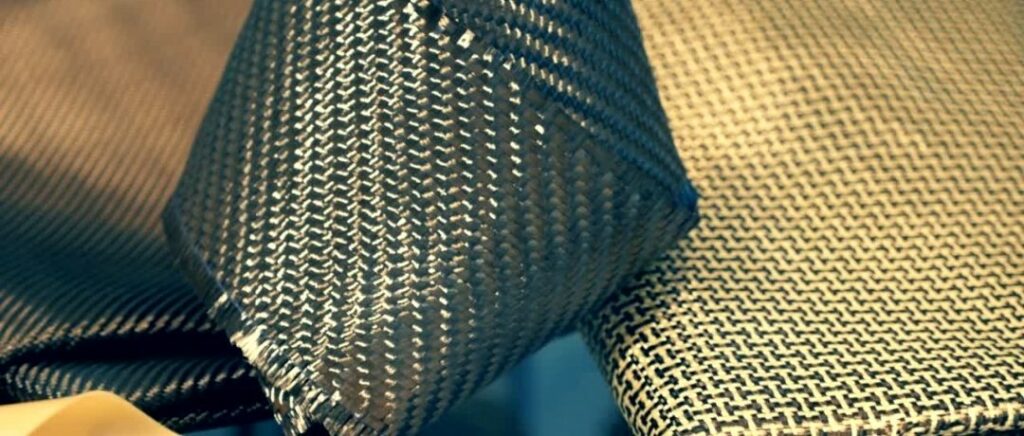
Kevlar is a para‑aramid synthetic fibre originally developed for high‑strength, lightweight applications. When woven into Kevlar cloth and combined with compatible resin systems such as epoxy, it produces composite laminates with outstanding impact resistance and energy absorption capabilities.

Unlike brittle reinforcements, Kevlar fibres can deform under load without catastrophic failure, making them particularly effective in applications involving shock, vibration or repeated stress.

Key material properties include:

  • Extremely high tensile strength
  • Low density and lightweight performance
  • Excellent impact and abrasion resistance
  • High fatigue resistance
  • Electrical insulation properties

These characteristics make Kevlar cloth especially valuable where safety, durability and damage tolerance are priorities.

Kevlar Cloth vs Carbon and Glass Fibre

Kevlar cloth is often used alongside, or in combination with, carbon fibre and glass fibre reinforcements. While carbon fibre offers superior stiffness and glass fibre provides cost‑effective strength, Kevlar excels in toughness and impact protection.

Typical hybrid uses include:

  • Kevlar for impact resistance
  • Carbon fibre for stiffness and load bearing
  • Glass fibre for cost and thickness control

By tailoring laminate design, manufacturers can balance mechanical performance and weight efficiency for specific applications.

Applications of Kevlar Cloth

Kevlar cloth supplied through Tricel Composites is used across a wide range of sectors where composite structures must withstand demanding conditions.

Marine Applications

In the marine sector, Kevlar cloth is commonly used in:

  • Boat hull reinforcement
  • Collision‑resistant panels
  • Bulkheads and protective laminates

Its high impact resistance makes Kevlar particularly effective below the waterline or in areas exposed to potential debris strikes.

Automotive and Motorsport

Kevlar‑reinforced composites are used to improve safety and durability in:

  • Body panels and undertrays
  • Impact protection zones
  • Motorsport components exposed to debris

The lightweight nature of Kevlar helps improve efficiency without compromising protection.

Industrial and Construction Uses

Kevlar cloth is also employed in:

  • Wear‑resistant composite components
  • Protective linings and covers
  • Structural parts subjected to vibration

Its resistance to abrasion and fatigue enhances service life in industrial environments.

Protective and Specialist Applications

Kevlar’s energy absorption properties make it suitable for:

  • Ballistic and protective panels
  • Safety equipment and shields
  • Specialty tooling where toughness is critical

These applications rely on Kevlar’s ability to absorb impact rather than fail suddenly.

Working With Kevlar Cloth in Composites

Kevlar cloth behaves differently from traditional reinforcement fibres and requires the correct processing approach. While it offers outstanding toughness, Kevlar can be more difficult to cut and finish due to its fibre structure.

Key considerations include:

  • Use of sharp cutting tools or specialist shears
  • Correct resin selection, typically epoxy systems
  • Careful laminate design to prevent fibre fraying
  • Hybrid laminates to optimise performance

Kevlar cloth is compatible with common composite manufacturing methods such as hand lay‑up, vacuum bagging and resin infusion when processed correctly.

Resin Compatibility and Performance

Epoxy resins are generally preferred when working with Kevlar cloth due to their superior adhesion and mechanical performance. When combined properly, Kevlar‑reinforced epoxy composites deliver excellent long‑term durability, moisture resistance and structural integrity.

Tricel Composites supplies Kevlar cloth suitable for use with modern epoxy systems, ensuring reliable laminate performance across high‑stress environments.

Why Choose Kevlar Cloth from Tricel Composites?

Tricel Composites supports composite manufacturers with reinforcement materials selected for consistency, reliability and real‑world performance. Our Kevlar cloth offering integrates seamlessly with our wider portfolio of glass fibre, carbon fibre, resins and core materials, enabling complete composite solutions.

Key advantages include:

  • Proven reinforcement quality
  • Compatibility with advanced composite processes
  • Technical support for material selection
  • Supply solutions for prototypes and production


By combining Kevlar cloth with the right resin systems and reinforcement strategy, manufacturers can significantly improve impact resistance and durability without excessive weight.

Kevlar Cloth in Modern Composite Design

As industries continue to demand lighter, safer and more durable structures, Kevlar cloth remains a vital reinforcement option. Its unique mechanical behaviour complements other fibres and enables composite designs that prioritise damage tolerance and long‑term reliability.

Advanced Reinforcement Solutions from Tricel Composites

Whether used alone or as part of a hybrid laminate, Kevlar cloth offers unmatched toughness in composite applications. Tricel Composites supplies Kevlar reinforcement materials supported by technical expertise to help customers select the right solution for their specific requirements.

Contact Tricel Composites Ireland to discuss Kevlar cloth and advanced reinforcement options for your next composite project.

Read More...