
Core Materials in Composite Manufacturing: Lightweight Strength by Design

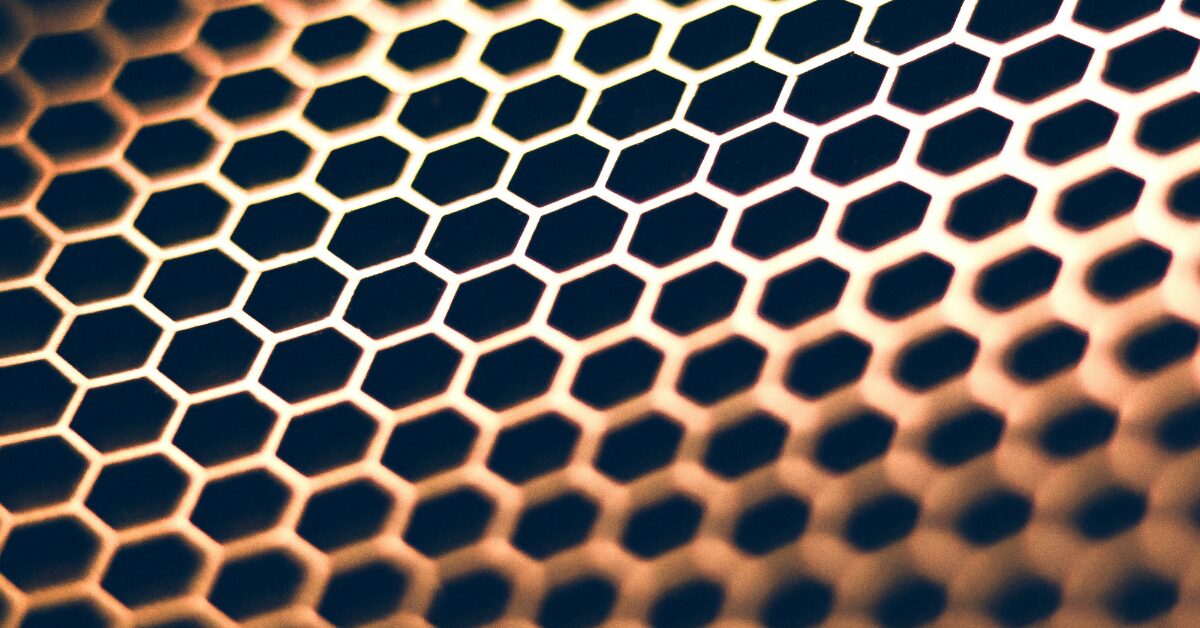
Honeycomb Core Materials

Core materials play a vital role in composite structures, enabling designers to achieve high stiffness and strength without excessive weight. By separating composite skins and increasing section thickness, cores significantly improve bending performance while minimising material usage. At Tricel Composites, a carefully selected range of core materials supports high‑performance applications across marine, automotive, construction and industrial sectors.

From honeycomb core structures to foam and non‑woven cores, the right core material is essential to achieving optimal mechanical performance, durability and manufacturability.

What Are Core Materials?

In sandwich composite construction, a core material is placed between two reinforcing skins—typically glass or carbon fibre laminates. The result is a lightweight structure with enhanced stiffness, excellent fatigue resistance and reduced overall weight compared to solid laminates.

The choice of core depends on:

  • Load‑bearing requirements
  • Weight targets
  • Environmental exposure
  • Manufacturing method
  • Cost and performance balance

Tricel Composites supplies proven core materials compatible with common composite processes, including hand lay‑up, vacuum infusion, resin transfer moulding (RTM) and compression moulding.

Honeycomb Core: Exceptional Stiffness‑to‑Weight Ratio

Honeycomb core materials are known for delivering outstanding stiffness and compressive strength at extremely low weight. Their geometric cell structure distributes loads efficiently, making them ideal for applications where structural efficiency is critical.

Common applications include:

  • Marine decks and bulkheads
  • Transportation and automotive panels
  • Architectural cladding and partitions
  • Industrial doors and enclosures

Honeycomb cores are typically paired with composite skins to create lightweight panels with excellent flatness and performance. When correctly selected and bonded, they offer long service life and reliable mechanical properties.

Closed Cell Rigid Foam for Structural Stability

Closed cell rigid foam cores are widely used in composite structures due to their low water absorption, predictable mechanical properties and ease of processing. Their closed‑cell structure prevents resin ingress while maintaining consistent density throughout the material.

Key benefits include:

  • Excellent moisture resistance
  • Good shear and compressive strength
  • Compatibility with resin infusion processes
  • Improved thermal and acoustic insulation

These characteristics make closed cell rigid foams suitable for marine, construction and industrial applications where environmental exposure and long‑term durability are key considerations.

Coremat: Efficient Thickness Without Excess Weight

Coremat is a non‑woven polyester core material designed to increase laminate thickness without significantly increasing weight. Unlike structural foam or honeycomb cores, Coremat is primarily used to improve stiffness, surface finish and resin distribution rather than acting as a primary load‑bearing core.

Coremat is commonly used in:

  • GRP panels and mouldings
  • Roofing and cladding components
  • Automotive and transport interiors
  • Cosmetic composite parts

Its ability to improve surface quality and reduce print‑through makes it particularly valuable in aesthetic or semi‑structural applications where appearance matters alongside functional performance.

PVC Foam Board for Composites

PVC foam board for composites is a versatile and widely used core material offering an excellent balance between strength, weight and cost. Available in various densities, PVC foam boards allow engineers to tailor core performance to specific load and stiffness requirements.

Advantages of PVC foam board include:

  • Consistent mechanical performance
  • Good fatigue and impact resistance
  • Excellent bonding with composite skins
  • Resistance to water and many chemicals

PVC foam cores are commonly used in marine hulls and decks, vehicle panels, industrial structures and wind energy components, where long‑term reliability is essential.

Selecting the Right Core Material

Choosing the correct core material is critical to the overall success of a composite structure. Factors such as load direction, operating environment, resin system and production volume all influence core selection.

Tricel Composites supports customers by supplying core materials that are:

  • Tested for consistent quality
  • Compatible with advanced composite manufacturing methods
  • Suitable for both prototype and production use
  • Matched to real‑world performance demands

Our technical knowledge ensures that core materials integrate smoothly with reinforcement fabrics and resin systems for reliable, repeatable results.

Core Materials Across Industries

Core materials supplied by Tricel Composites are used in:

  • Marine structures requiring lightweight strength and moisture resistance
  • Automotive and transport components focused on efficiency and durability
  • Construction and architectural panels demanding stiffness and flatness
  • Industrial applications exposed to repeated loading and harsh conditions

As the demand for lighter, stronger and more efficient structures continues to grow, core materials remain central to modern composite design.

Advanced Core Solutions from Tricel Composites

Whether your application requires the stiffness of honeycomb core, the moisture resistance of closed cell rigid foam, the efficiency of coremat, or the versatility of PVC foam board for composites, Tricel Composites provides materials backed by technical expertise and industry experience.

Contact Tricel Composites to discuss your core material requirements and discover how the right core can significantly enhance the performance of your composite structures.

Read More...