
Choosing the Best Roofing Materials for Flat Roof Refurbishment Projects

Roofing materials for flat roofing refurbishment

Flat Roof Refurbishment Has Changed

Flat roof refurbishment is no longer about simply replacing what was there before. With tighter timelines, live buildings, and unpredictable weather, contractors now need flat roofing solutions that deliver durability, speed, and compatibility.

Choosing the best roofing materials for flat roofs requires understanding modern liquid membrane roofing, overlay systems, and resilient waterproofing technology.

Why Material Choice Determines Refurbishment Success

Most flat roof failures occur not because of poor workmanship, but because the wrong system was chosen for the existing substrate.

Key challenges in refurbishment include:

  • Unknown moisture levels
  • Aging or mixed substrates
  • Structural movement
  • Limited downtime

This is where modern liquid roofing systems excel.

Liquid Membrane Roofing vs Traditional Systems

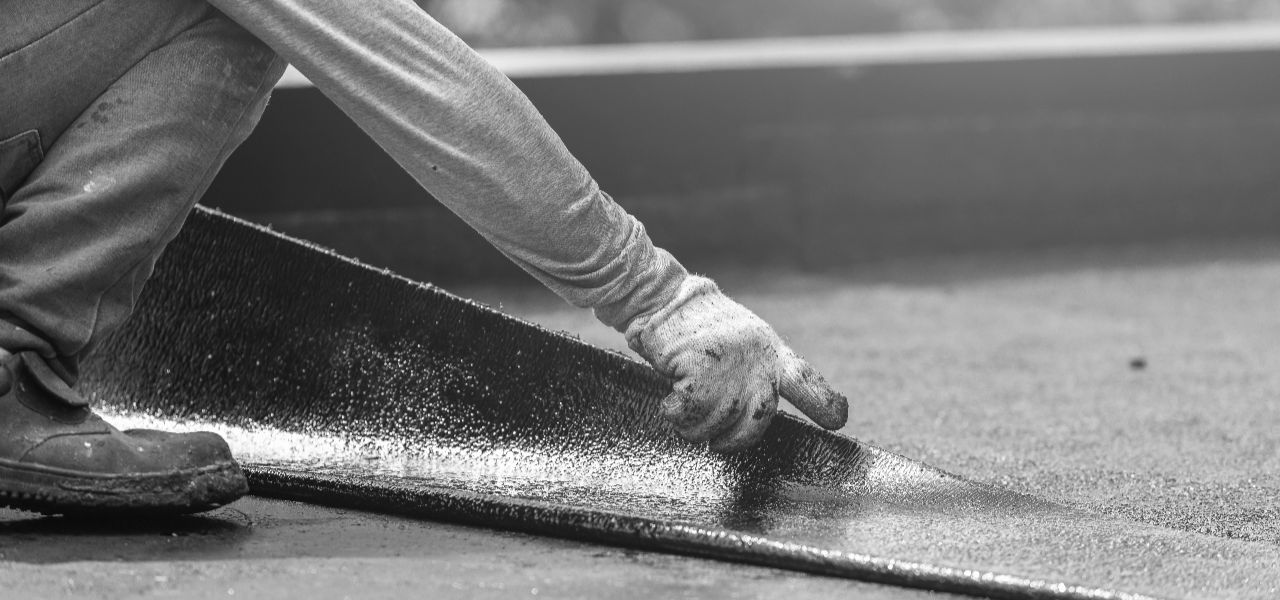
Traditional felt or rigid GRP systems often require full strip‑back, increasing cost, waste, and disruption.

Liquid membrane roofing offers:

  • Seamless waterproofing
  • Full adhesion to existing roofs
  • Reduced preparation requirements
  • Faster installation without hot works

For refurbishment projects, these benefits are often decisive.

Overlay Systems: Extending Roof Life Without Strip Back

Overlaying an existing flat roof is one of the most effective refurbishment strategies available today.

Overlay systems are ideal when:

  • The structural deck is sound
  • The existing membrane is weathered but stable
  • Disruption must be minimised
  • Time and cost are critical

Liquid roofing systems can be applied directly over many existing substrates, creating a fully bonded waterproofing layer.

Substrate Specific Roofing Material Selection

Choosing the best material starts with understanding the roof beneath.

Common refurbishment scenarios

Timber or OSB decks

Flexible liquid roofing systems accommodate seasonal movement

Felt roofs

Liquid roof coatings or reinforced overlays manage shrinkage and splits

Asphalt

Compatible primers prevent oil migration

Concrete

Crack‑bridging waterproofing membranes for flat roofs handle micro‑movement

Metal

Elastomeric systems absorb thermal expansion

Hybrid Liquid Roofing Systems: The Best of Both Worlds

Hybrid systems combine reinforcement with flexible liquid membranes, offering:

  • High crack resistance
  • Excellent substrate compatibility
  • Damp tolerance on select systems
  • Faster installation windows

These systems are particularly valuable on complex refurbishment projects with mixed substrates or high movement risk.

Minimising Weather Delays on Refurbishment Projects

Weather delays cost time and money.

Modern liquid roofing systems help by offering:

  • Cold‑applied installation
  • Rapid curing or no‑mix products
  • Wide application temperature ranges
  • Damp‑tolerant technology

This enables year‑round productivity, even in unpredictable climates.

Minimising Weather Delays on Refurbishment Projects

Avoid these common refurbishment pitfalls:

❌ Choosing rigidity over flexibility

❌ Ignoring substrate compatibility

❌ Trapping moisture beneath new membranes

❌ Under‑specifying detailing systems

Even premium materials will fail if incorrectly specified.

A Smarter Way to Specify Flat Roof Refurbishments

Successful refurbishment depends on aligning:

  • Substrate behaviour
  • Environmental exposure
  • Installation conditions
  • Long‑term performance expectations

Modern liquid membrane roofing systems allow contractors to meet all four without compromise.

Even premium materials will fail if incorrectly specified.

Get the Full Refurbishment Playbook

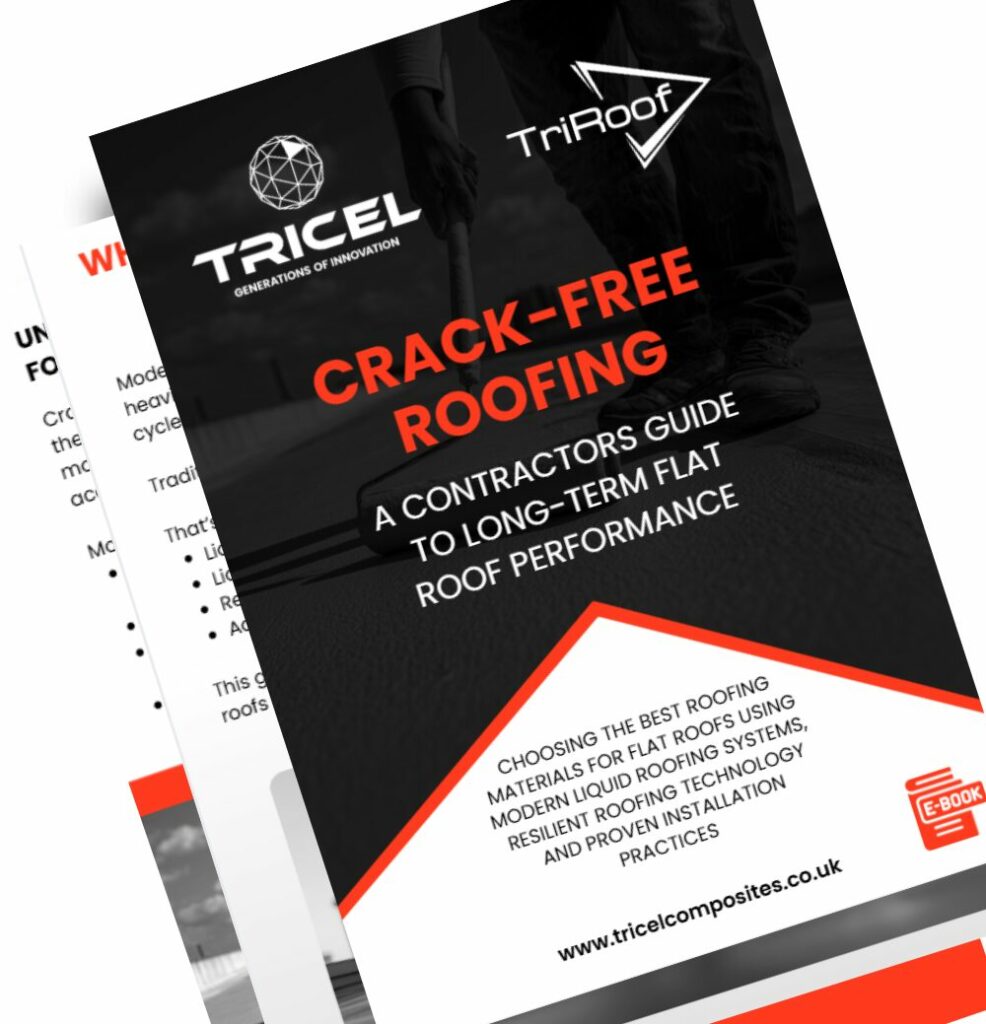
This article outlines how to choose the right materials — but the complete contractor checklist, system comparisons, and design principles are covered in our in‑depth guide:Crack Free Roofing: A Contractor’s Guide to Long Term Flat Roof Performance

Download the ebook to deliver flat roof refurbishments that last — without cracks, callbacks, or costly failures.

Disclaimer
This whitepaper is intended for general information and guidance on modern flat roofing solutions. It is not a substitute for professional engineering advice and should not be used as the sole basis for design, specification, or installation decisions. All roofing systems must be applied and approved by a suitably qualified professional in accordance with current standards, regulations, and project‑specific conditions. Tricel Composites accepts no responsibility or liability for any loss, damage, or consequences arising from reliance on the information contained in this document.

Crack-Free Roofing Ebook

Read More...